
Book
Close
Book online
Modify / Delete Reservation

Vito Fusco Fotografo Positano | Hotel Margherita Costiera

Vito Fusco: The Photographer Who Removes Time to Restore the Soul of the Coast

Discover Vito Fusco's timeless black & white photographs at Hotel Margherita Praiano. Award-winning documentary photography capturing the authentic soul of the Amalfi Coast.

Vito Fusco: The Photographer Who Removes Time to Restore the Soul of the Coast
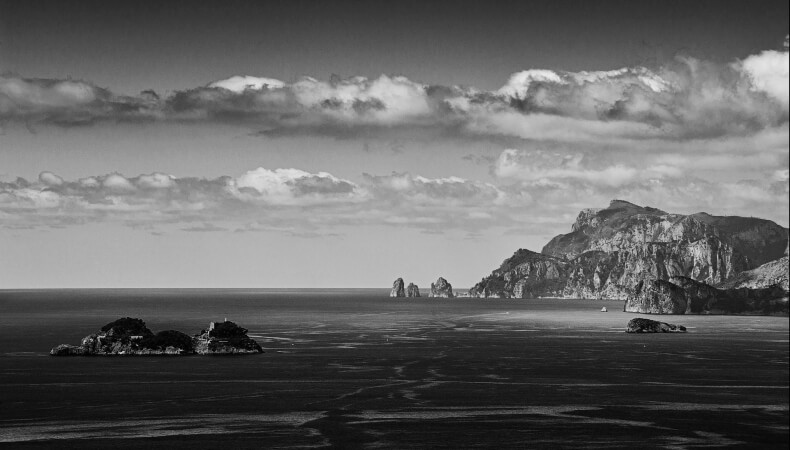
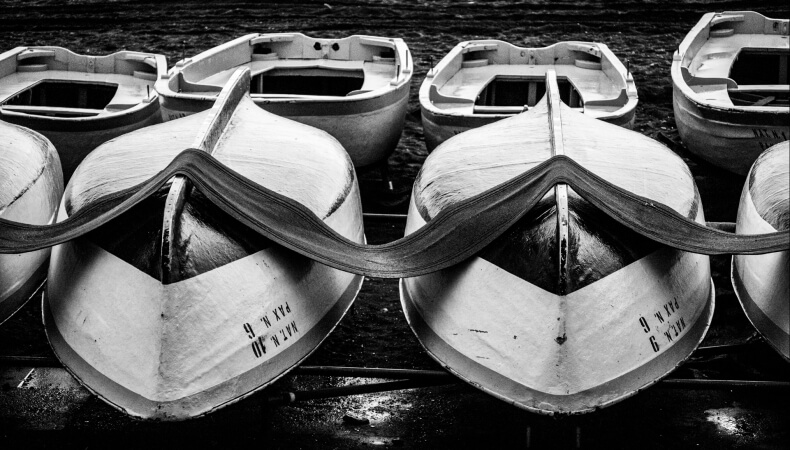
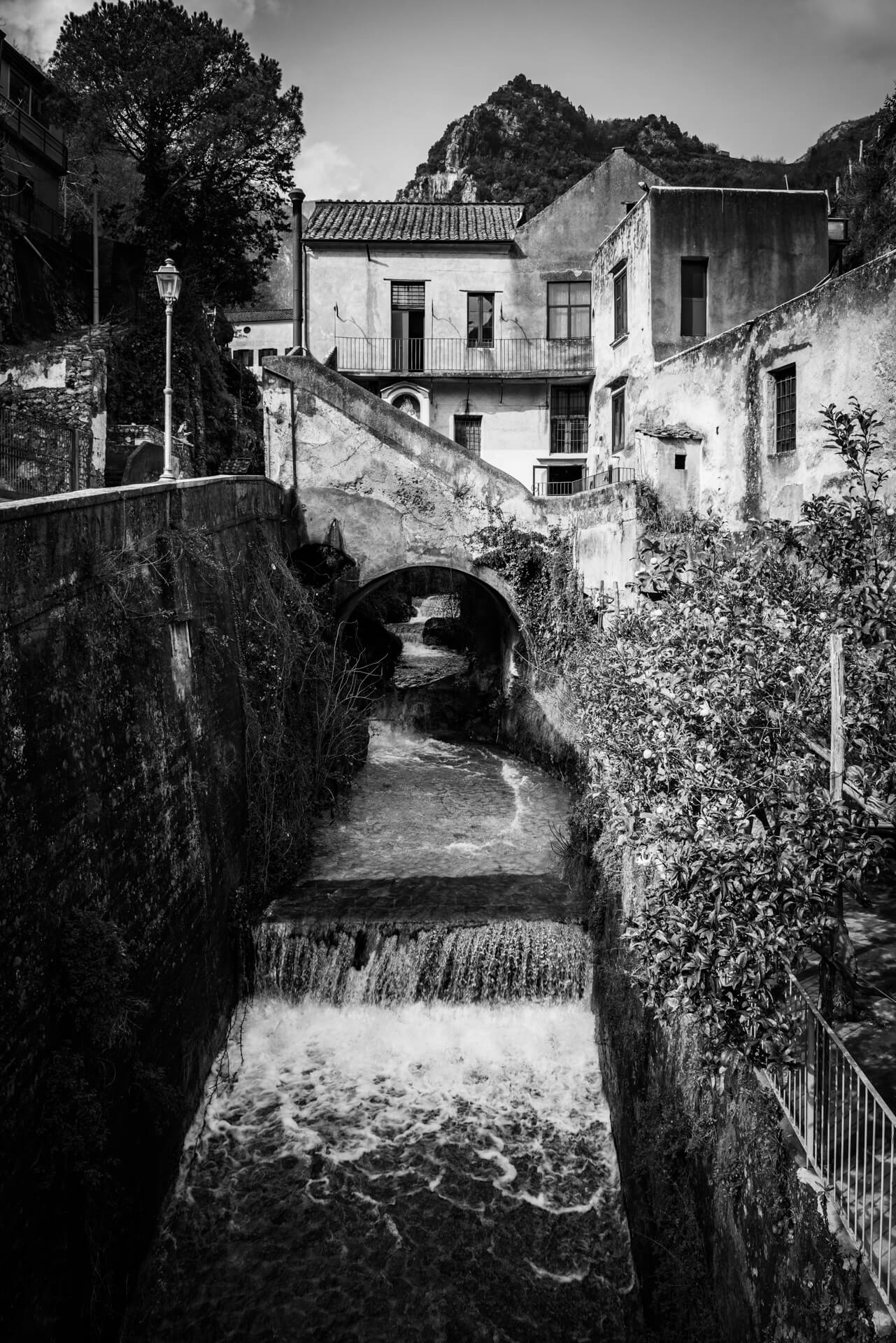
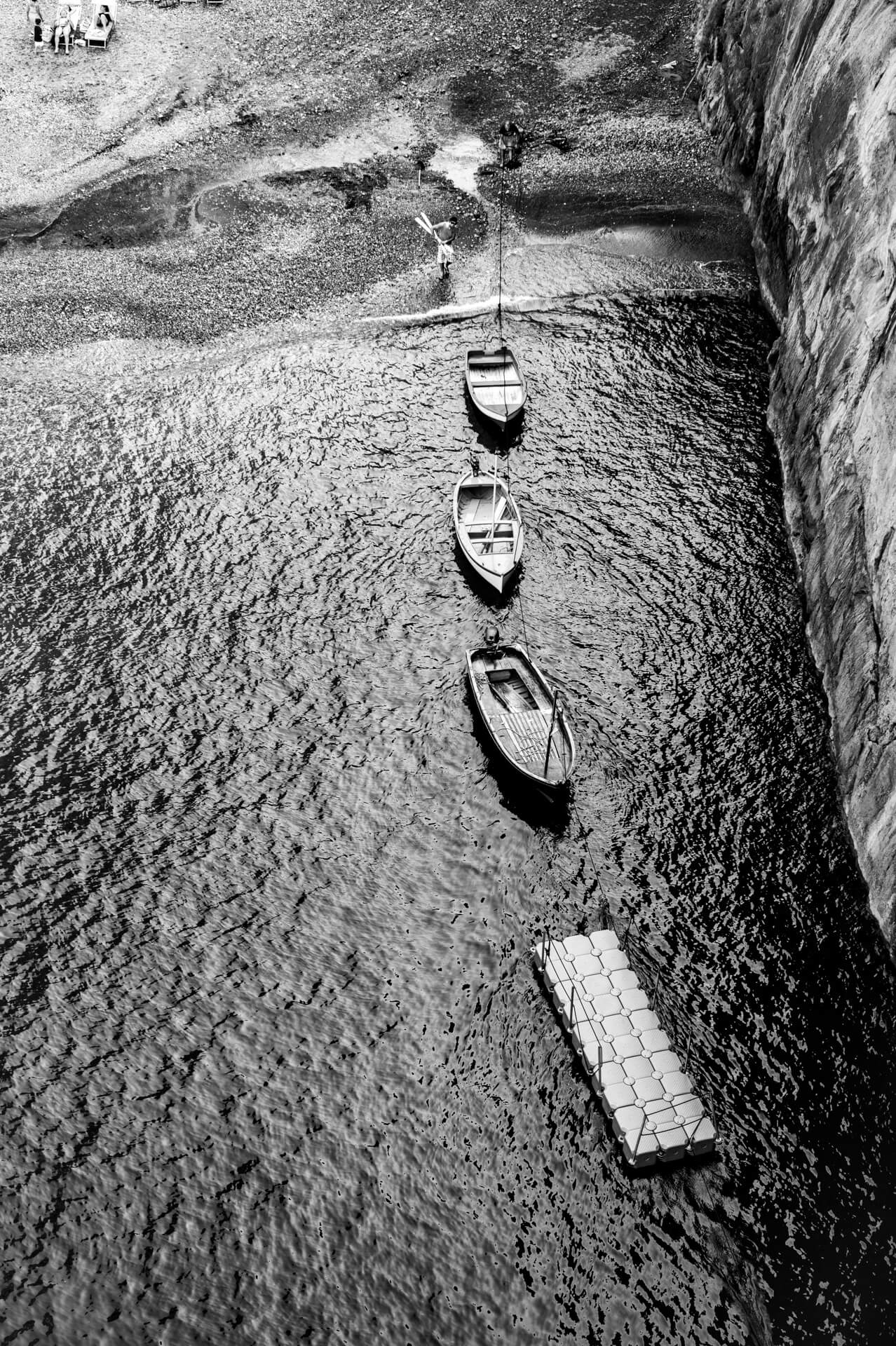
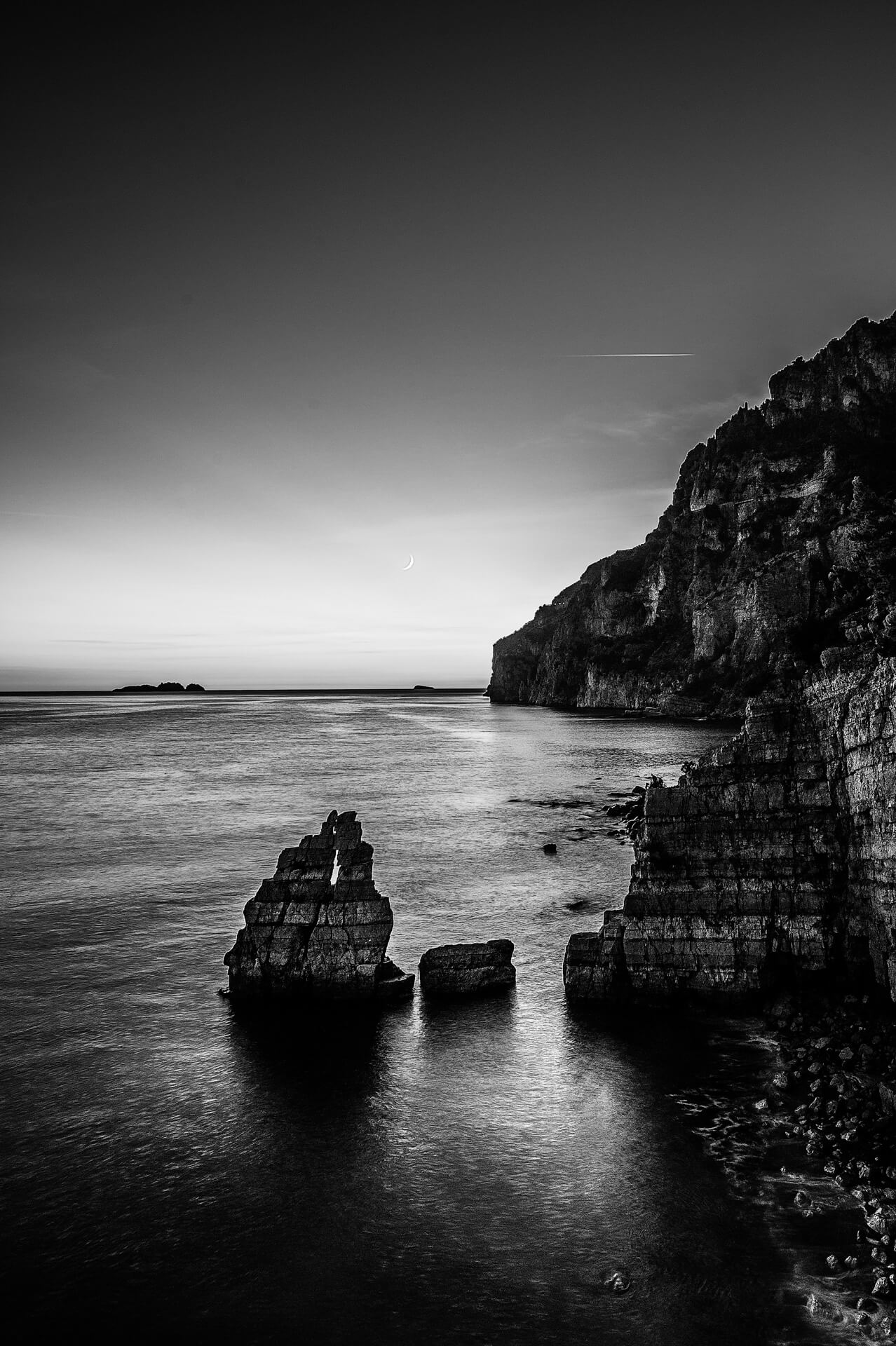
There is a way of looking at the Amalfi Coast that escapes the frenzy of hit-and-run tourism, that refuses Instagram filters and instead seeks the pure essence of place. It is Vito Fusco's black and white: photographs that remove the time variable to reveal what has always been here — the cliffs that change shape with every minute of light, the architecture that fades into infinite gradations of grey, the fishermen who guard ancient gestures.

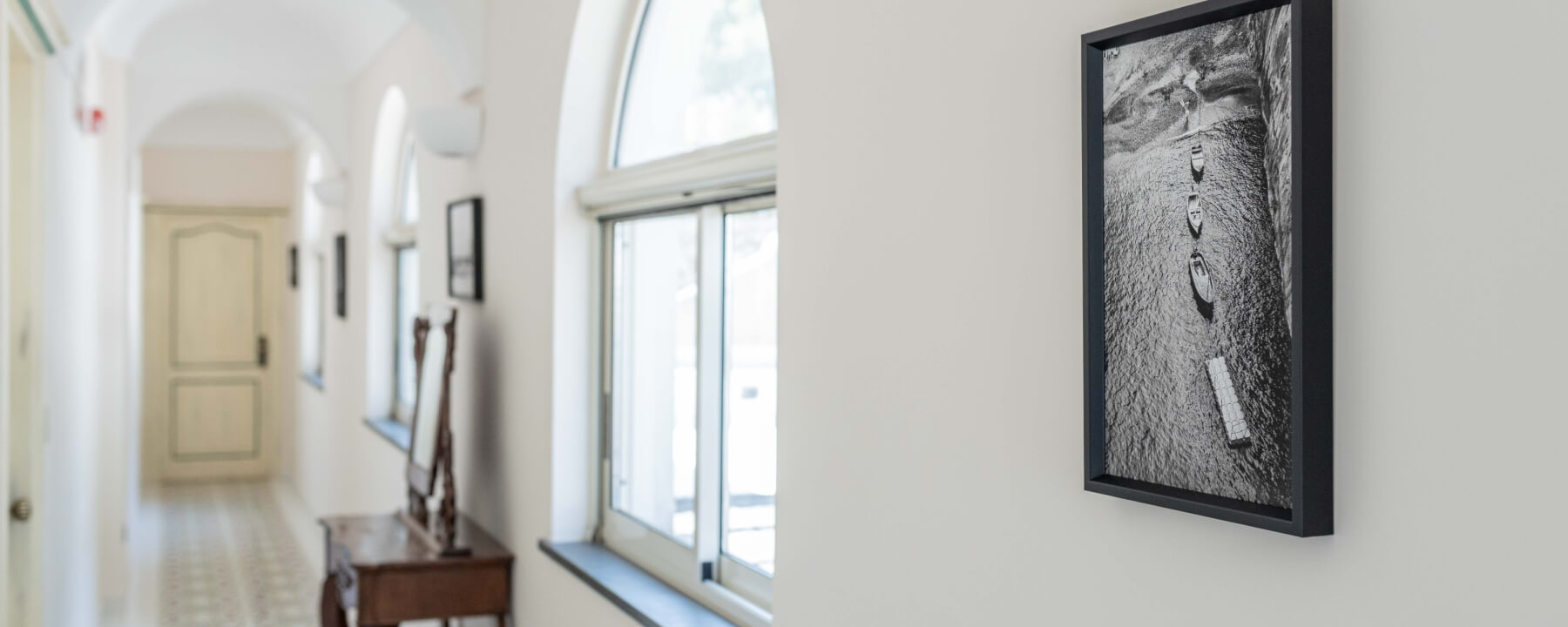
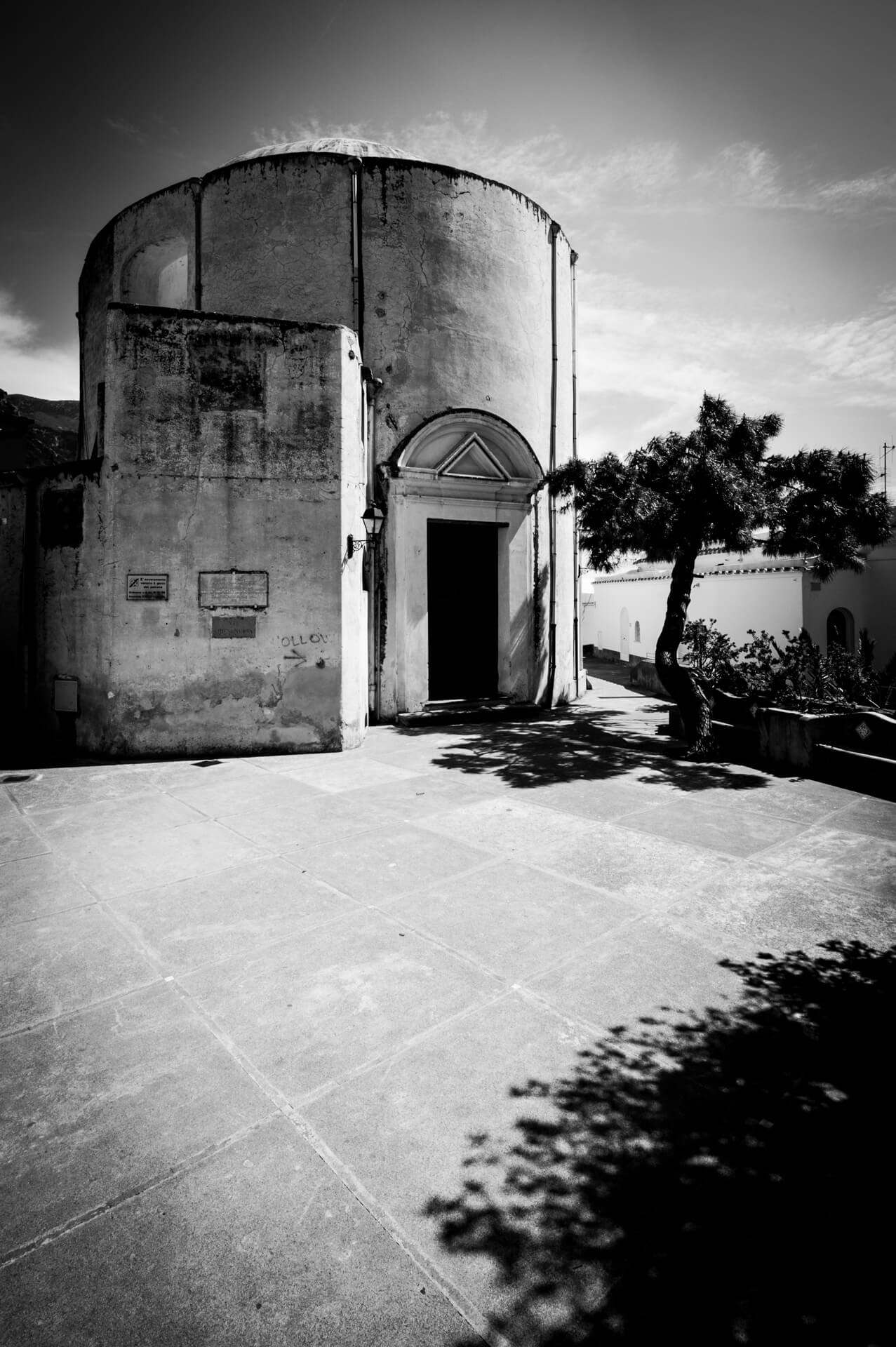
At Hotel Margherita, Vito Fusco's photographs are not simple images hung on walls. They are windows onto a Coast beyond the cliché, invitations to slow down, to rediscover that simplicity which has made these places so fascinating for generations of artists and travellers. They are memory and contemporaneity in dialogue through light.

The Encounter That Changes Everything: From Table Service to Camera
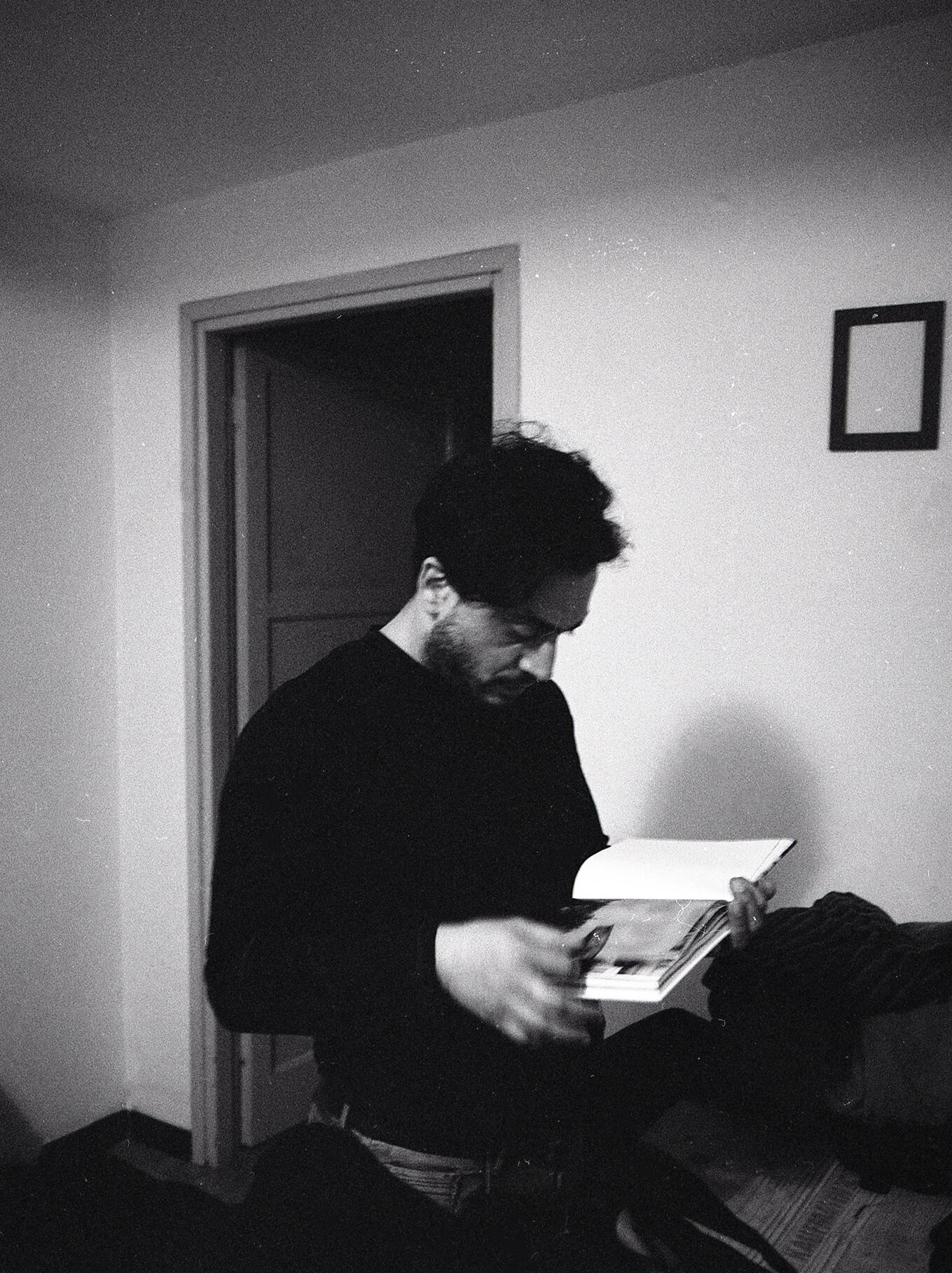
Born in Positano on 20 June 1980, Vito Fusco was not born a photographer. His story begins behind a restaurant counter, where he worked as a waiter in a Positano that twenty years ago was profoundly different from today's. Photography arrives almost by chance, as an outlet from a gruelling work schedule, thanks to his partner who was passionate about visual arts.

But the encounter that would change everything happens between the tables of that restaurant: Morten Krogvold, a Norwegian photographer, and his partner Tarand become regular customers. During the filming of Il Postino, where Krogvold plays Pablo Neruda, he discovers that young waiter's hidden passion for night photography.

The gift of a photography book becomes the seed of transformation. Krogvold decides to take him under his wing: from 4 to 6 pm every day, he takes him around Positano to transmit artistic sensitivity. He has him print photos, selects them, discards them, annotates corrections. It is an education of the gaze, patient and rigorous.

"In the end he convinced me to leave my work as a waiter and dedicate myself fully to photographic art," Vito recounts. A courageous decision that would lead him in 2009 to found Arkimedia Lab together with web designer Antonio Casola, and then to complete a Master's in Photography at IED Milan under the guidance of Silvia Lelli.

Between Commerce and Authorship: A Photographer Against Specialisation
"I am against the concept of absolute specialisation," Vito states with conviction. "Professionally I am an interior photographer, but the artistic aspect is documentary. I like to cross-pollinate things."

It is precisely in this tension between commercial work and authorial research that his photographic language develops: aesthetics and human storytelling that merge, refusing rigid categories. Not artistic photography, but authorial photography — a more difficult level to reach, requiring a recognisable personal voice.

His path is studded with international recognition: his first publication in National Geographic Italia in 2009, then El País, victory in the Nikon Photo Contest, the Silk Road Global News Award – Documentary Award, the Sony World Photography Award with "The Killing Daisy". Among his most significant projects, "Stonewall: The Temple", created in New York and sponsored by Amnesty International.

The Photographs at Hotel Margherita: Removing Time to Restore Essence
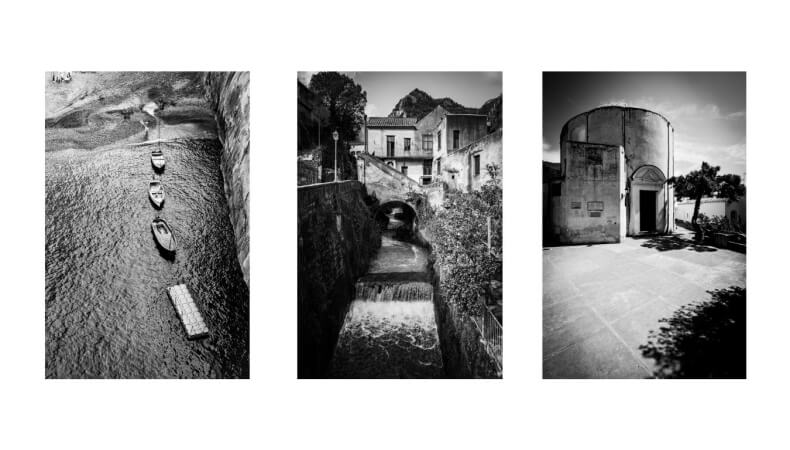
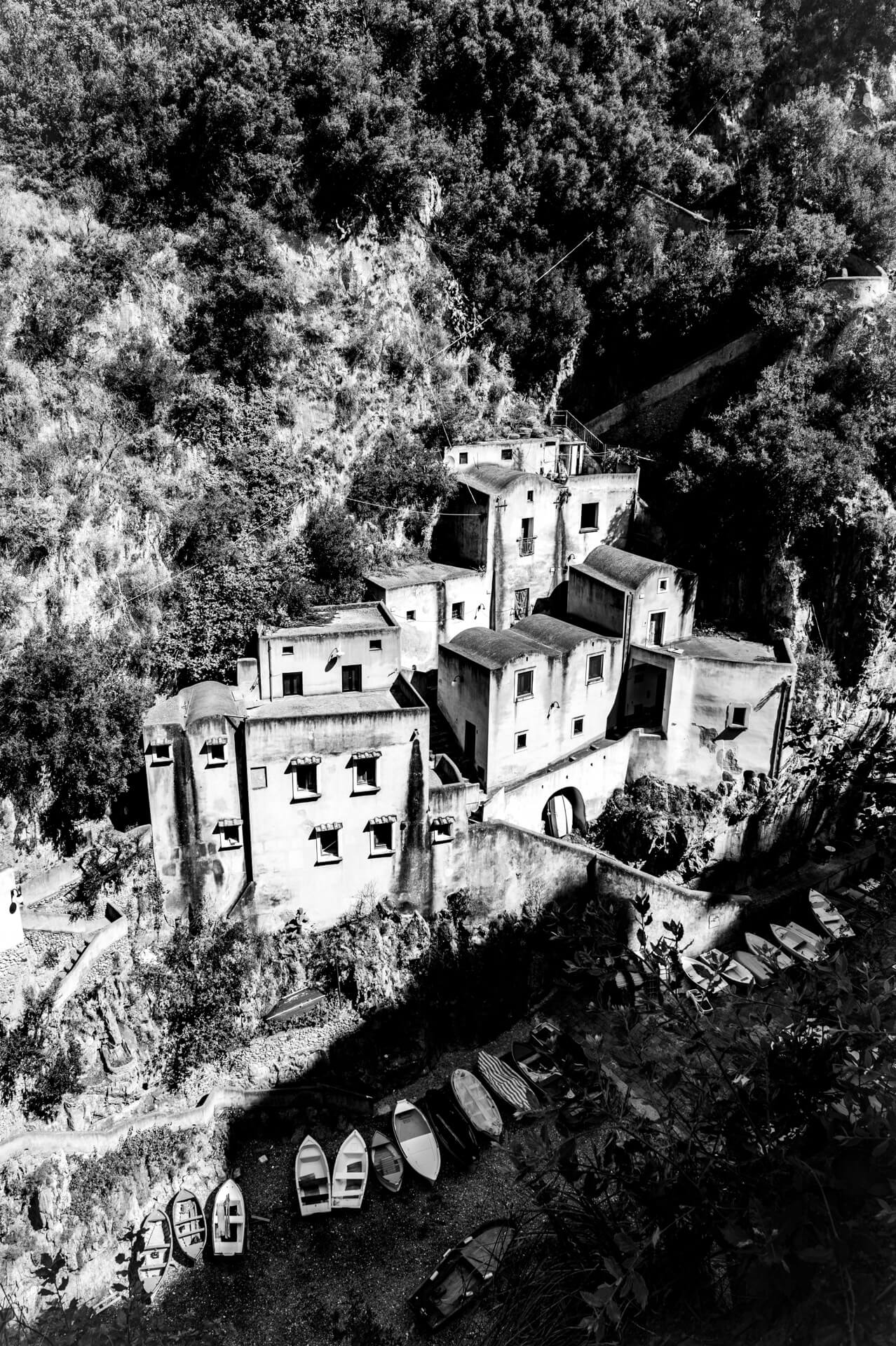
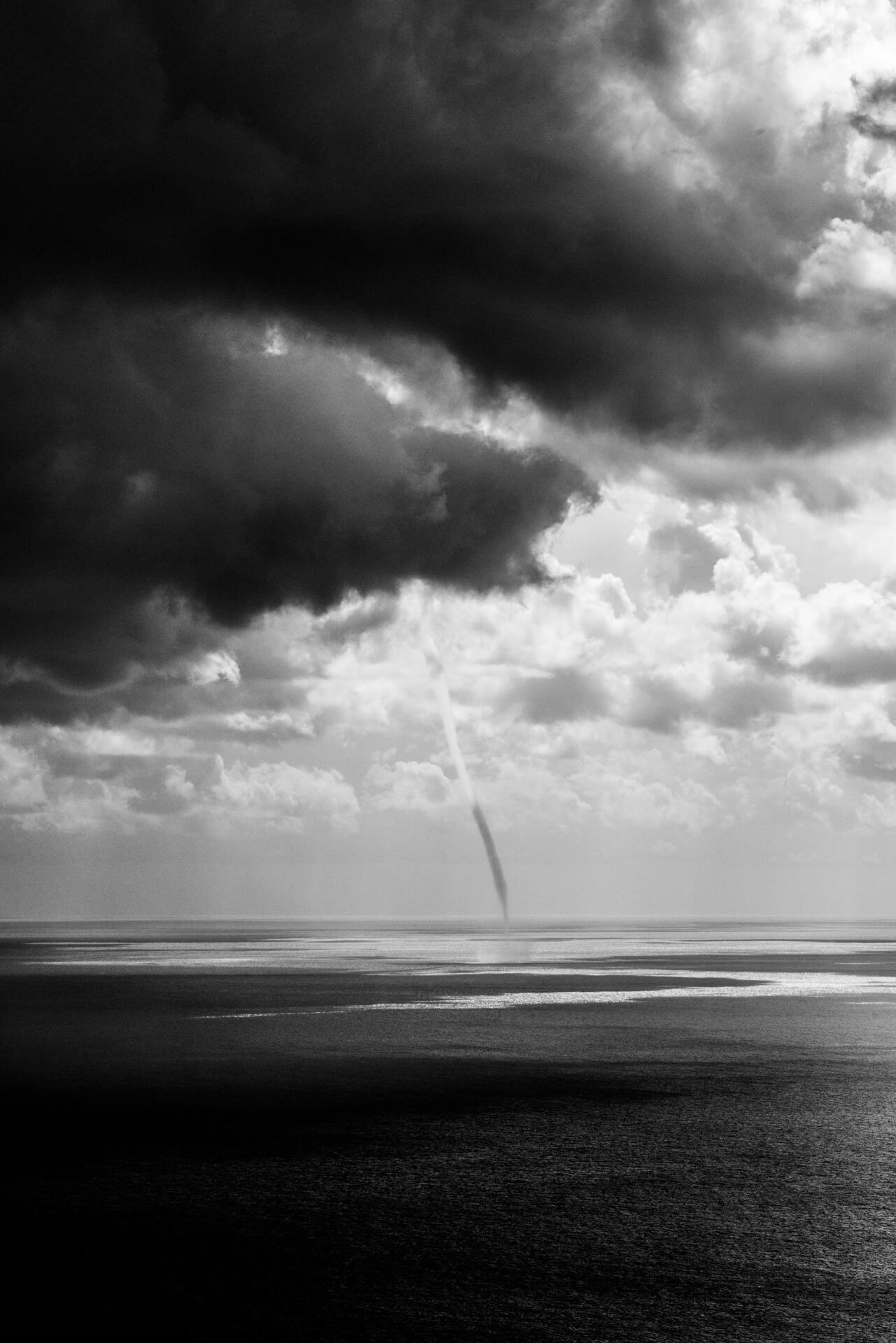
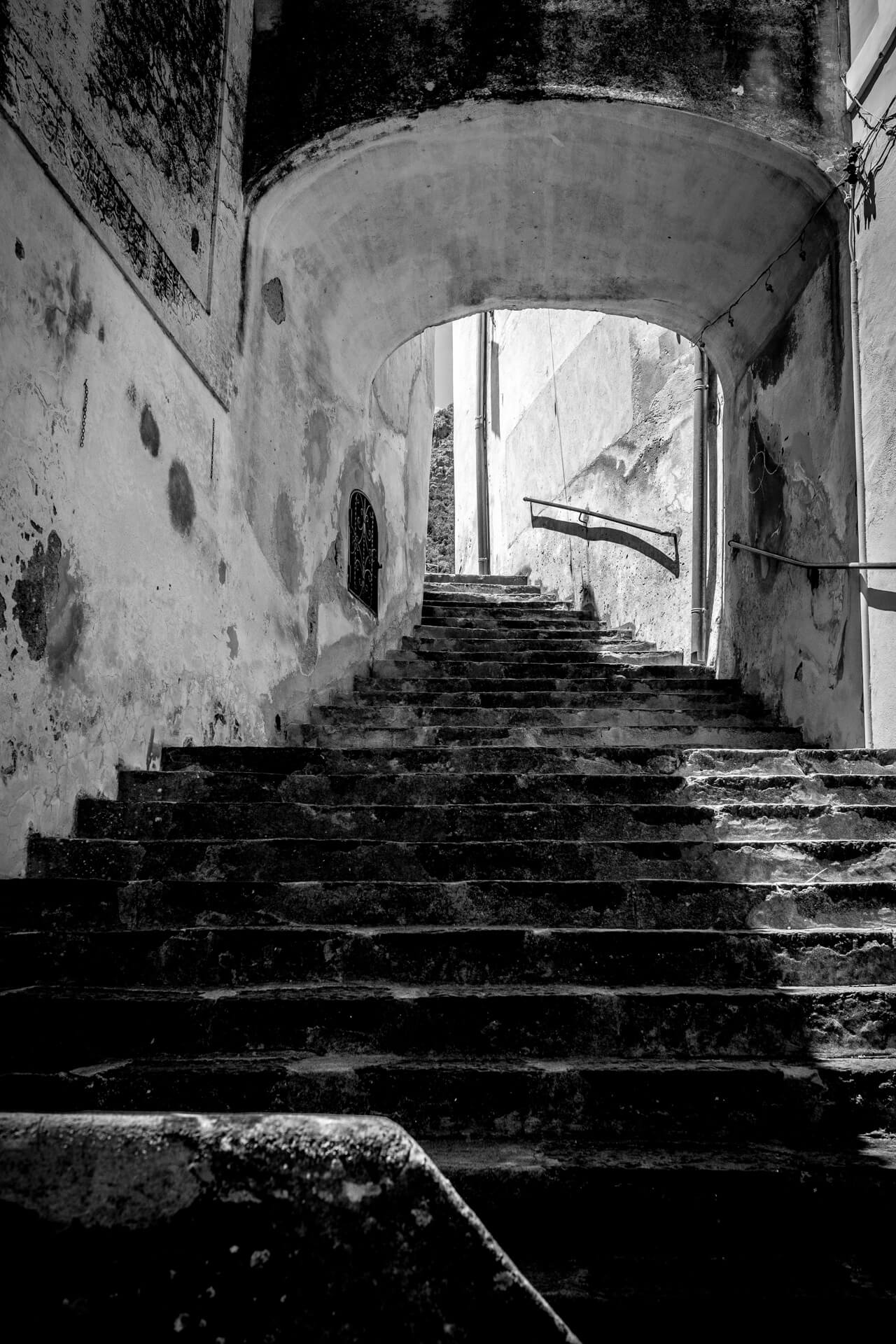
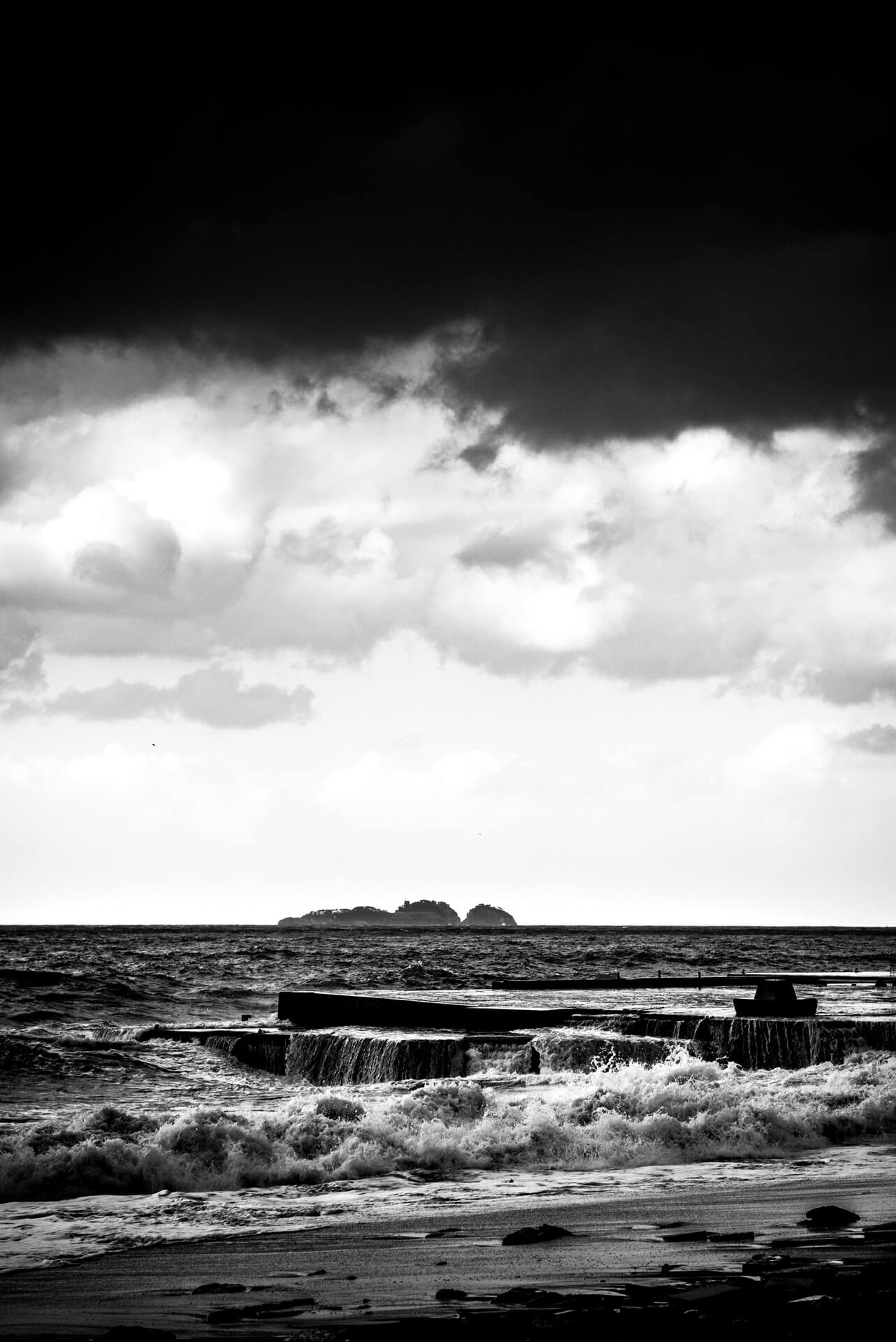
The idea uniting Vito Fusco's works at Hotel Margherita is precise and radical: black and white that removes places and subjects from time. It is not nostalgia, but a way to immerse the viewer in a reality that escapes today's clichés.

Andrea Ferraioli and Suela Cimino, the hotel's patrons, asked Vito for a cross-section of the unique Amalfi Coast: not postcards, but visions representing the various towns and places, removing the time variable. The architecture of places — the Furore Fjord, the Amalfi Paper Mill, the houses of Positano that in black and white reveal incredible nuances — become timeless protagonists.

There is also a tribute to the great artists and painters who inhabited these places, a common thread linking memory and the character of our places. "There are photographic references, especially of Positano, to painters who lived in our areas," Vito explains. "A tribute to the good fortune of living in these places."

But it is not only the architecture: there are also plants and nature, not as fictitious decorative elements but as true structural elements of the Coast. Places and people are the essence. The objective is to bring tourists back to the concept of simplicity — one of the most important reasons that made the Amalfi Coast so interesting and fascinating.

The Local Photographer's Challenge: The Art of Not Being Recognised
Working as a documentary photographer on the Coast carries a particular challenge: the need for invisibility. "Walking through Positano and taking a candid photo of a fisherman without being recognised is, in a sense, a handicap," Vito admits. The photographer needs that distance which allows reality to manifest spontaneously.

It is the eternal tension between belonging and detachment: knowing the places intimately but being able to look at them as a stranger would, being inside but photographing from outside. A condition that Vito transforms into a strength, combining deep knowledge of the territory with the ability to always see it with fresh eyes.

Light Like Caravaggio: Photography, Literature and Depth
"Paradoxically I am a lover of Caravaggio, who for me is a photographer and not a painter," Vito confesses. "If he had been born in another era, he would have used a camera."

It is Caravaggio's contrast of light that guides his research: the idea that there is always something coming from a shadow, that in photography there is always a good part in shadow that justifies the light. "The great problem with photography is having two dimensions instead of three," he explains. "You give depth by working with light to give plasticity to the images."

But there is an even more radical statement that defines his approach: "Photography is much closer to literature than to visual art." It is a declaration that overturns conventional categories, emphasising narration, the internal time of the image, the ability to tell rather than simply show.

Among his ideal masters, Giovanni Gastel in and his lesson on "magnificent failures" — all the wrong photos that teach more than the successful ones. It is a humble approach, recognising error as an essential part of the creative journey.

The Coast as Inexhaustible Source: Cliffs, Light and Daily Wonder
"The cliffs, the naturalistic part: that is the fundamental substance of the Coast," Vito affirms. "If I get up early in the morning and see the illuminated cliffs, every minute the light changes and changes their shape."

It is a harsh place in how nature created it, but not for the inhabitants for whom it is natural to live with the limits and difficulties that living here means. This acceptance, this coexistence with the territory's harshness, is part of the Coast's deep identity.

Although he travels all over the world for his projects — he has worked in New York, documented the Silk Road, explored distant cultures — the Coast remains an inexhaustible source of inspiration for him. "I am still amazed every day," he confesses. It is the wonder of someone who knows how to look, of someone who never takes anything for granted.

Rethinking Tourism: Against Hit-and-Run, For the Culture of Slow Travel
"Mass tourism is not a term I dislike, because after all the Amalfi Coast has always been popular," Vito reflects. The problem is not the quantity of visitors in itself, but the way the Coast is experienced.

"There has been so much push from advertising and communication to make the Coast a true destination, but this has caused a hit-and-run attitude in visitors." It is the disconnection of communication, amplified by social media, that in an instant takes you to eat a lemon on a Positano terrace and a moment later to walk on a Ravello terrace, without truly seeing either place.

The solution? "Rethink the culture of slow travel on the Amalfi Coast," Vito suggests. Better public transport is also needed, infrastructure that allows people to experience the territory without the frenzy of cars, enabling that slowness necessary to truly see.

This is exactly what Vito's photographs at Hotel Margherita invite you to do: pause, look, let the light change on the cliffs, discover the infinite nuances of black and white in the architecture. Rediscover that simplicity which is the true luxury of these places.

Authentic Amalfi Coast: Telling the Land with Authenticity and Poetry
Today Vito Fusco collaborates with the distributed editorial team of the Authentic Amalfi Coast project, telling the story of his land and the world with images that unite authenticity and poetry. It is a commitment that goes beyond photography: it is a way of preserving memory, resisting trivialisation, showing that behind every apparently obvious view there is a depth worth discovering.

His photographic books bear witness to this continuous search: not just reportage, but true visual narratives where the common thread is always the humanity of places, the life pulsing behind the facades.

At Hotel Margherita we are deeply grateful to Vito Fusco for bringing to our rooms his timeless gaze on the Amalfi Coast. His black and white photographs are not nostalgic escapes, but urgent invitations to truly see, to slow down, to rediscover that simplicity and depth at risk of being swept away by the frenzy of contemporary tourism. Each of his images is a bridge between the historical memory of these places and the possibility of still experiencing them today with the same intensity as Grand Tour travellers.

To discover Vito Fusco's photographs on display in the hotel and learn more about his work, the Hotel Margherita team will be delighted to take you on a journey through the images during your stay.

Email: info@hotelmargherita.info
Telephone: +39089874628
Whatsapp: +393337166631

Accessibility
close
Accessibility Information

Together with our selected providers, we are committed to ensuring that our services are accessible to people with disabilities. We devote significant resources to ensure that our website and room booking pages are easier to use and more accessible for individuals with disabilities, based on the strong belief that everyone has the right to live with dignity, equality, comfort, and independence.

Along with our partners, we continuously strive to improve the accessibility of our website and the pages for booking rooms and/or purchasing additional products and services related to the stay. We firmly believe it is our collective moral obligation to allow seamless, accessible, and unhindered use, even for those of us with disabilities.

In our ongoing efforts to improve and consistently address accessibility issues, we regularly scan all web pages using accessibility scanners provided by third-party commercial partners to identify and fix any potential accessibility barriers on our site. Despite our efforts to make all our web pages and content fully accessible, some content may not yet have been fully adapted to the strictest accessibility standards. This may be due to not having yet found or implemented the most appropriate technological solution.

Compliance Status

This website and the room booking pages are partially compliant with the technical standard for websites and mobile applications UNI CEI EN 301549, and with the “AA” accessibility level required by the Web Content Accessibility Guidelines (WCAG) 2.1.
In particular, the compliance level of this website is constantly monitored through the tools provided by:
https://mauve.isti.cnr.it/
https://pagespeed.web.dev/

Non-accessible Content

Despite our efforts to ensure the accessibility of the website and booking pages, we are aware of some limitations we are working to resolve. Below is a description of the known limitations. Please contact us if you encounter an issue not listed below.

  • Image text alternatives: Some images do not have meaningful text alternatives for users.
  • Reading order: Due to the modular structure of some pages, the reading order of elements may not match their visual order.
  • Focus contrast: In some cases, when elements receive focus, there may be insufficient contrast between text color and background.
  • Keyboard operability: Some components cannot be operated using only a keyboard.
  • Animated content: Some pages contain animated content that cannot be paused or hidden.
  • Focus visibility: In some pages, the element with active focus is not visually identifiable.
  • Language accessibility: Some elements display text or accessible names only in certain languages.
  • Assistive technology: Assistive technologies may not always correctly announce messages.

Last Updated

This page on accessibility was last updated on June 25, 2025.